
Hair and Beard Growth Vitamins
Explore our comprehensive guide to natural supplements designed to support healthy hair and beard development. Discover evidence-based information about vitamins, minerals, and nutritional formulas that nourish growth from within.
The information on this site is for educational purposes only and does not constitute medical advice. Always consult a qualified healthcare professional before making health decisions.
Vitamin Categories
Filter our collection by nutrient type to find the vitamins and minerals most relevant to your hair and beard health journey.
Featured Supplement Categories
Biotin & B-Complex Vitamins
Biotin (vitamin B7) and the complete B-complex are foundational nutrients for keratin production, the primary structural protein in hair and beard strands. These water-soluble vitamins support energy metabolism in hair follicles and strengthen the root structure. B vitamins help reduce brittleness and promote resilient growth from the scalp outward.
Read More →Iron & Zinc Minerals
Iron carries oxygen to hair follicles, fueling the active growth phase. Zinc regulates sebum production, maintains scalp pH balance, and prevents premature hair loss. These trace minerals are especially important for men seeking fuller, thicker facial and head hair. Deficiencies in either can lead to thinning and slow growth cycles.
Read More →Copper & Selenium
Copper aids in melanin formation, the pigment that gives hair its color, while also strengthening connective tissue in follicles. Selenium is a potent antioxidant that protects scalp cells from oxidative stress and supports thyroid function, critical for hormonal balance affecting hair density. Together, these minerals enhance texture and color vibrancy.
Read More →Amino Acids & Collagen
Hair is composed primarily of the amino acid keratin. Supplementing with lysine, methionine, and other essential amino acids provides building blocks for strong, thick hair growth. Collagen peptides support scalp elasticity and improve blood flow to follicles. These compounds work synergistically to extend the active growth phase and reduce breakage.
Read More →Botanical Extracts & Herbs
Natural plant extracts such as saw palmetto, nettle root, and pygeum support healthy scalp microcirculation and follicle function. Green tea extract contains polyphenols that nourish the dermal papilla, the nutrient delivery center of each hair root. These botanical compounds complement synthetic vitamins and offer time-tested traditional support for beard and scalp vitality.
Read More →Vitamin A & Vitamin E
Vitamin A regulates sebum production and promotes cell turnover in the scalp, creating an optimal environment for healthy hair emergence. Vitamin E is a powerful antioxidant that protects hair follicles from free radical damage and improves oxygen delivery. Both fat-soluble vitamins work together to maintain scalp health and prevent premature aging of hair follicles.
Read More →Understanding Vitamin Efficacy
How Nutrients Support Hair Growth
The human hair growth cycle consists of three phases: anagen (active growth, lasting 2–7 years), catagen (transition, 2–3 weeks), and telogen (resting, 2–4 months). Natural supplements containing the right blend of vitamins and minerals extend the anagen phase and reduce premature entry into telogen, the resting phase where shedding occurs.
Hair follicles are among the most metabolically active cells in the body. They require consistent delivery of oxygen, amino acids, vitamins, and minerals via blood flow. Deficiencies in biotin, iron, zinc, or protein can shorten the growth phase and trigger increased shedding. This is why comprehensive nutritional support—rather than isolated nutrients—produces the most noticeable results.
Beard growth specifically benefits from DHT-supportive nutrients and healthy scalp circulation. A well-nourished follicle produces thicker, more resilient hair with better color retention and improved texture. Most results become visible after 12–16 weeks of consistent supplementation, as this aligns with the natural hair growth cycle timeline.
Explore Full Guides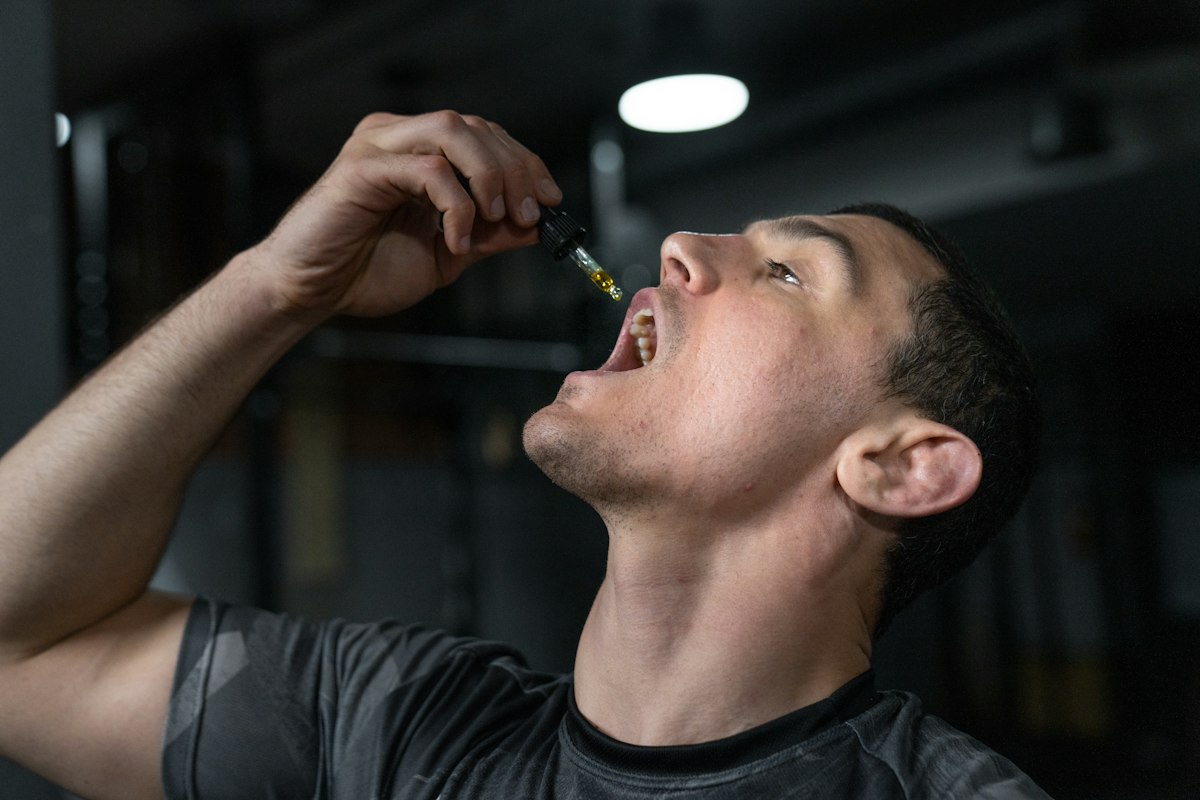
Step-by-Step Approach to Supplementation
Assessment & Research
Identify which nutrients your diet may be lacking. Common deficiencies affecting hair health include biotin, iron, zinc, and B vitamins. Read product ingredient lists and understand the roles of each nutrient in supporting growth and follicle strength.
Select Quality Formulas
Choose supplements with transparent ingredient lists, clinical-grade potencies, and bioavailable forms. Look for third-party tested products from reputable brands. Comprehensive formulas combining biotin, minerals, amino acids, and botanical extracts offer broader support than single-nutrient pills.
Consistent Daily Use
Take your chosen supplements daily as directed on the label. Hair growth is a slow biological process requiring sustained nutrient availability over weeks and months. Consistency matters more than high doses—steady daily supplementation yields better results than sporadic high-dose intake.
Track & Adjust
Monitor your results over 12–16 weeks, taking photos to document progress in density, thickness, and overall appearance. Note any changes in shedding, strength, or growth speed. If needed, adjust formulas or nutrient ratios based on observed results and feedback from your community.
What Our Community Says
"After reading the comprehensive guides on this site about biotin and zinc, I made informed choices about my supplementation routine. I found the nutritional guides on this site very informative for my wellness journey. The detailed explanations of how each nutrient works made me confident in my decisions. This community has been invaluable for understanding proper nutrition."
Ravi Adhikari
Jakarta, Indonesia
"The breakdown of amino acids and how they contribute to keratin production really helped me understand why certain supplement combinations work better together. I appreciate the science-based approach without hype. My hair is stronger now, less breakage, and the growth is noticeably thicker after following the recommended guidance for three months."
Arief Mardiah
Surabaya, Indonesia
"I was skeptical about whether supplements could really make a difference, but the educational articles changed my perspective. Learning about how minerals like copper and selenium support pigmentation and texture was eye-opening. Combined with the step-by-step guidance, I've seen real improvements in my beard's overall appearance and health in just a few months."
Darmawan Putra
Bandung, Indonesia
Frequently Asked Questions
How long does it take to see results from supplements?
Most people begin noticing visible improvements in hair quality, thickness, and growth rate after 12–16 weeks of consistent daily supplementation. This timeline aligns with the natural hair growth cycle. Some experience reduced shedding within 4–6 weeks, while others notice enhanced beard density and texture after 3–4 months. Results vary based on baseline nutrition, age, genetics, and the specific formulas used.
Can I combine multiple supplement formulas?
Yes, many people combine different formulas to target specific needs. For example, a comprehensive multivitamin with a specialized botanical extract formula can provide synergistic benefits. However, avoid exceeding the daily recommended intake of individual nutrients like biotin or zinc. Read labels carefully and consider consulting content about nutrient interactions before combining high-dose supplements.
What if I have dietary restrictions or allergies?
Many supplement brands offer plant-based, vegan, allergen-free, or gluten-free formulations. Read product ingredient lists and contact manufacturers if you have specific concerns. The articles on this site explain common allergens and help you identify formulas that fit your dietary needs. Some people prefer getting nutrients from food sources—we provide guidance on dietary alternatives as well.
Are botanical extracts as effective as synthetic vitamins?
Both botanical and synthetic nutrients can be effective. Botanicals offer compounds like polyphenols and phytosterols with additional antioxidant benefits, while synthetic vitamins provide consistent, measurable dosages. Many comprehensive formulas combine both for optimal effect. The research articles here explain the specific benefits of each approach so you can make informed choices aligned with your preferences.
How do I know if a supplement product is high quality?
Look for third-party testing certifications, transparent ingredient lists with specific dosages, and reputable brand histories. Check if products list the actual amounts of biotin, zinc, iron, and other key nutrients rather than proprietary blends with undisclosed potencies. Our guides explain label-reading techniques and what to look for in ingredient sourcing, manufacturing standards, and brand transparency.
Should I take supplements with food or on an empty stomach?
Fat-soluble vitamins like A and E should be taken with meals containing healthy fats for better absorption. Water-soluble vitamins and minerals can be taken with or without food, though taking them with breakfast may reduce stomach sensitivity. Most comprehensive formulas are designed to be taken with food. Always follow the specific instructions on your chosen product's label for optimal bioavailability and comfort.
Start Your Vitamin Journey Today
Explore our comprehensive guides to natural supplements, vitamin formulations, and evidence-based strategies for supporting healthy hair and beard growth. Join our community of informed readers making informed decisions about their nutritional health.